

Top Ideas for the Best Exercise Workouts with Your Dog
Are you a pet parent looking for the easiest way to enjoy any form of exercise for you and your dog? Then keep reading for the best ways to do exercise workouts with your dog.
I may earn a small commission for affiliate links in this post at no extra cost to you. Please read my privacy policy and privacy page for more information. As an Amazon Associate, I earn from qualifying purchases.

There’s nothing quite like combining your love for fitness with your love for your dog.
Exercise doesn’t just keep you healthy—it’s also a fantastic way to strengthen the bond with your four-legged friend.
Whether it’s a jog in the neighborhood or a playful session at the park, your dog becomes not just a workout partner, but also your biggest cheerleader.
I know this firsthand from my outings with my pup, Mirage – she’s always ready for an adventure.
We’ve turned simple walks into fitness routines and ordinary fetch games into full-body workouts.
The best part? It’s fun for both of us and ensures we’re both staying active.
If you’ve been looking for ways to make exercising with your dog enjoyable and effective, you’re in the right place.
Let’s make fitness time, quality time.
The Benefits of Exercising with Your Dog

Exercising with your dog isn’t just a fun way to shake up your routine—it’s rewarding for both of you.
Every walk, swim (Mirage above swimming with me at the pool), or game of fetch you share brings physical and mental health benefits while deepening the connection between you and your furry friend.
Let’s look at what makes breaking a sweat side-by-side with your dog so beneficial.
Physical Health Benefits for You and Your Dog
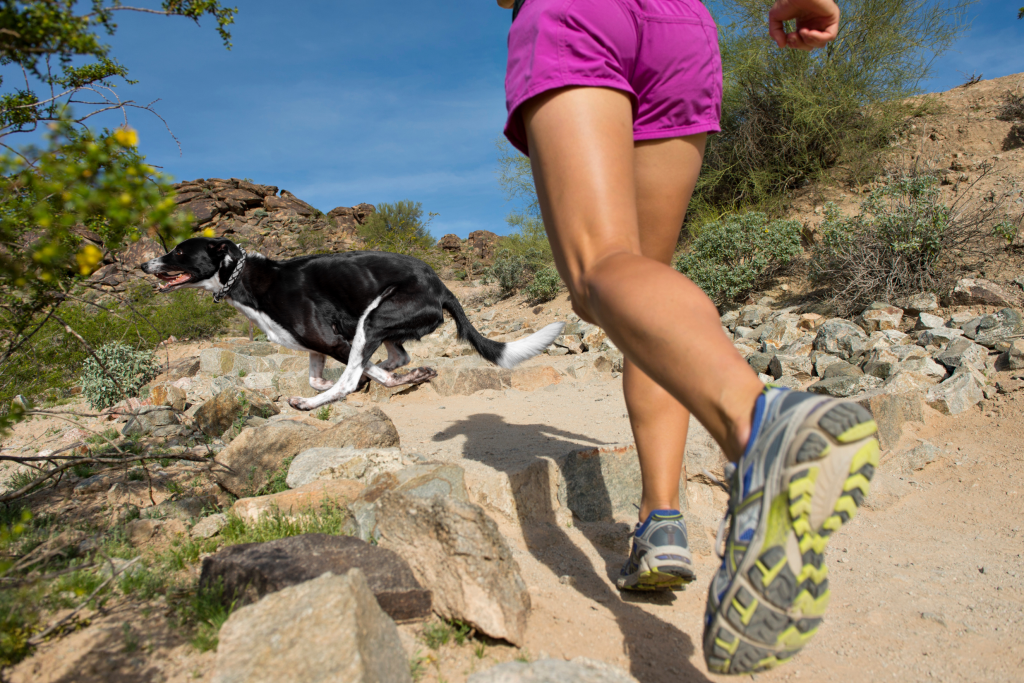
Think of your dog as a built-in workout buddy with boundless energy.
Working out together keeps both of you in shape while addressing common health concerns.
- For you, regular exercise improves your fitness levels, strengthens your muscles, and even boosts endurance. Even just brisk walking with your dog increases your heart rate and burns calories, making it a sneaky but effective cardio session. If weight loss or maintaining a healthy body is on your radar, your dog will happily hold you accountable—those puppy eyes almost demand you to grab the leash.
- For your dog, the benefits are just as significant. Exercise helps with weight control, which is important for avoiding obesity-related issues like joint pain or diabetes. Think of it as their version of a gym membership, minus the fees.
From easy walks to more intense activities like running or hiking, you’re both strengthening your cardiovascular systems with every step.
Plus, the more active your dog is, the less likely you’ll find them chewing up the couch out of boredom—win-win, right?
Mental Health Perks
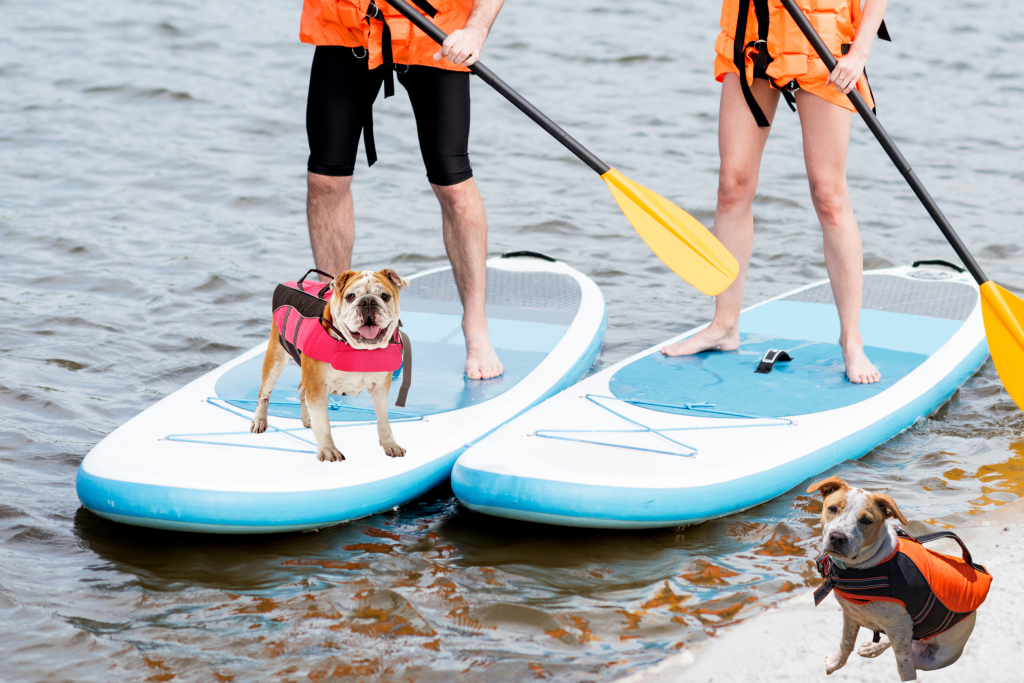
Physical exercise is only half the equation; mental wellness matters, too.
The good news? Staying active with your dog helps relieve stress for both of you.
- Why it helps you: Moving your body, especially outdoors, is a natural way to hit pause on life’s stresses. Feeling tense after a long day at work? A journey in the park with your dog might be the reset button you need.
- Why it helps them: Ever notice how excited your dog gets right before a walk? That tail-wagging frenzy isn’t just about physical energy—it’s also mental. Exercise provides much-needed stimulation to keep their mind sharp.
So, whether you’re on a stand up paddle together or just exploring new trails at the park, you’re creating a mental release that leaves both of you feeling refreshed and ready to tackle the day.
Strengthening the Human-Dog Bond

Every time you grab the leash, you’re doing more than planning an exercise session—you’re building trust and connection.
Dogs thrive on structure, communication, and spending time with their favorite person (that’s you!).
- It’s about teamwork: When you and your dog sync up for a run or practice an obstacle course, you’re creating a shared rhythm. Over time, your dog learns to respond to your cues, whether it’s a command to heel or a playful toss of their favorite ball. That kind of communication builds trust.
- It’s about showing up: Dogs are incredibly intuitive—they know when you’re present and engaging with them. Consistent exercise sends a clear message: “I care about you.” And your dog repays the favor with loyalty and excitement every time you step outside together.
Think of exercise as a shared adventure.
Each session becomes a moment to bond over, whether you’re jogging side-by-side, splashing in the pool, or just wandering around the block.
Prepping for Workouts with Your Dog
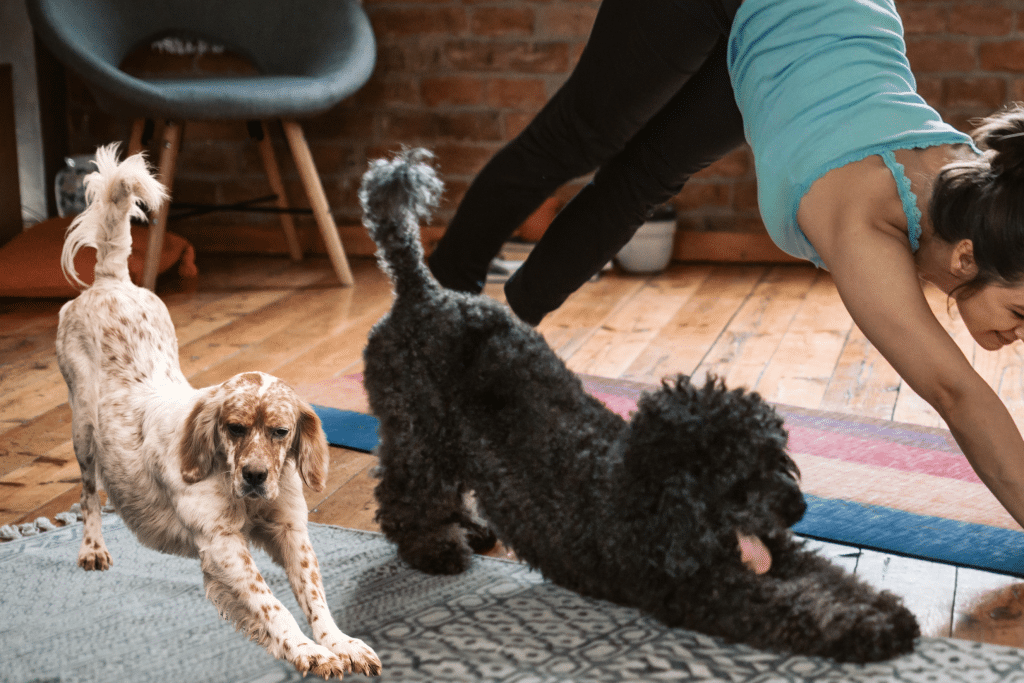
Before you leash up and hit the trail with your pup, a little preparation goes a long way.
Just like you wouldn’t begin a workout unprepared, your dog needs some forethought too.
From choosing the right activity for their abilities (and age) to ensuring you both have the right gear, setting the stage for a successful workout is key.
Choosing the Right Exercise Based on Your Dog’s Breed and Age
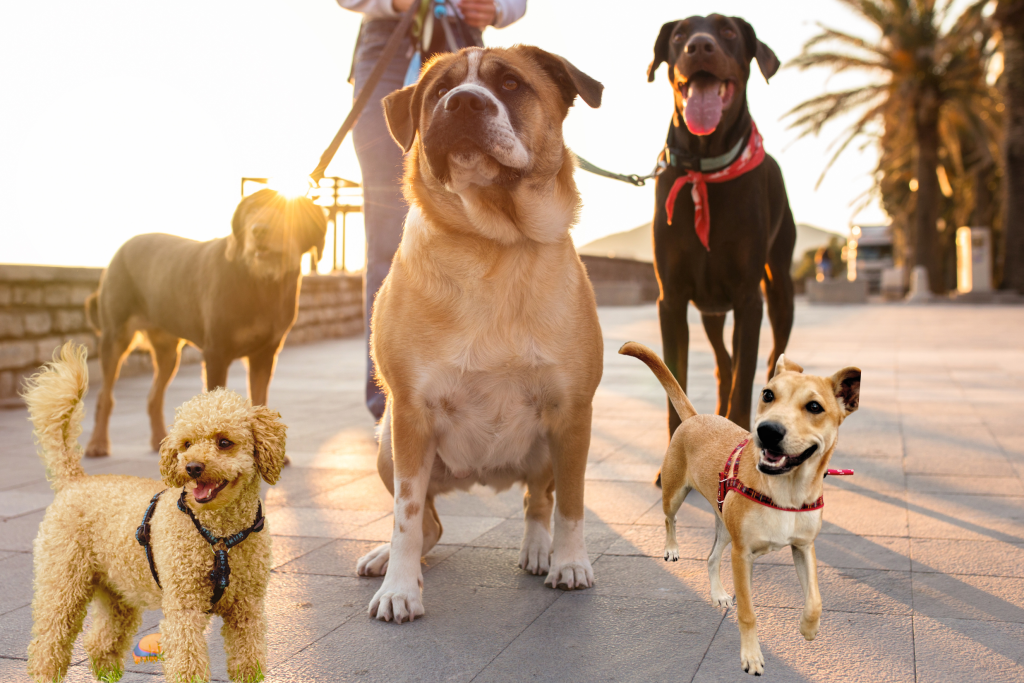
Not all dogs are built for the same kind of exercise.
Your high-energy Border Collie won’t have the same workout needs as a laid-back Bulldog, and your puppy’s developing body can’t handle what a healthy adult dog can.
Tailoring activities to your dog’s breed, age, and energy level is key to keeping them happy and injury-free.

- High-energy breeds: Dogs like Belgian Malinois (my police K9, Paco) Labs, and Boxers thrive with activities that let them burn off serious energy. Think running, agility courses, or even a game of frisbee at the park.
- Low-energy breeds: Basset Hounds, Bulldogs, and other more mellow dogs benefit from light walks and casual play sessions.
- Small breeds: While their little legs can work hard, breeds like Dachshunds and Chihuahuas can overdo it fast. Stick to shorter distances and gentler activities.
- Senior dogs and puppies: Both groups have their own limitations, whether it’s due to age-related stiffness or growing bones. Low-impact activities like walking or swimming are ideal.
The goal is to find activities that match your dog’s natural capabilities.
Pay attention to their body language—if they seem tired or restless, it’s a clue to adjust your routine.
Essential Pre-Workout Gear

Before heading out, make sure you’ve got the right tools and equipment to keep things smooth, safe, and enjoyable.
Prepping the essentials helps you both stay comfortable no matter the terrain or conditions.
Here’s a quick checklist of items you’ll want to consider:
- Secure leash and harness: Select a sturdy leash that gives you control without restricting movement.
- Proper footwear for you: You wouldn’t go running in flip-flops, right? The same thinking applies here. Choose supportive shoes that match the terrain you’ll be tackling, whether it’s trail runners for hikes or regular sneakers for paved paths.
- Paw protection for your dog: If you’re hitting rough trails, hot pavement, or icy sidewalks, your dog may need some extra help. Dog booties or paw balm can protect their pads from injuries or discomfort.
- Portable water bowl: Hydration (for both of you!) is non-negotiable. A collapsible water bowl is perfect for on-the-go sips.
- Waste bags: A simple but necessary item—cleaning up after your pup is part of being a responsible dog owner.
Having the right gear not only ensures safety but also makes your workout more enjoyable.
No one wants to cut things short because of blisters or uncomfortable paws!
Warm-Up and Hydration Tips
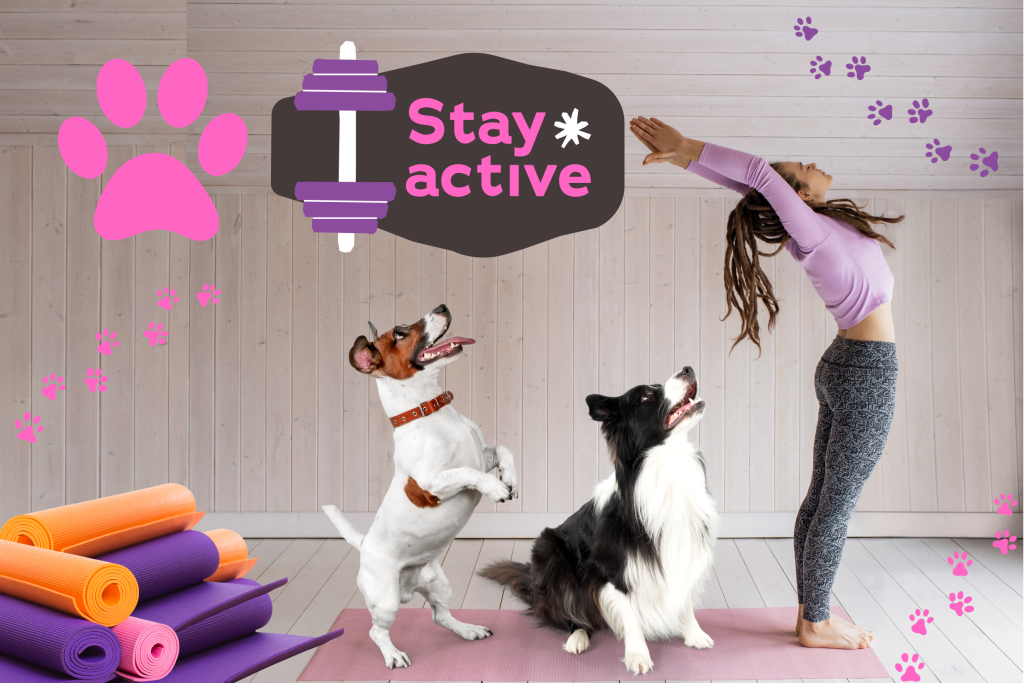
Just like humans, dogs shouldn’t jump into a workout without warming up.
Skipping this step can lead to injuries, so take a few minutes to get both of you ready.
Start with a light walk to ease your dog into the activity.
This helps them loosen up their muscles and mentally transition into “exercise mode.”
You might notice them sniffing around or stretching—it’s their way of warming up, too!
If your dog is older (like my dog) or has joint issues, take even more time to let them move gently before picking up the pace.
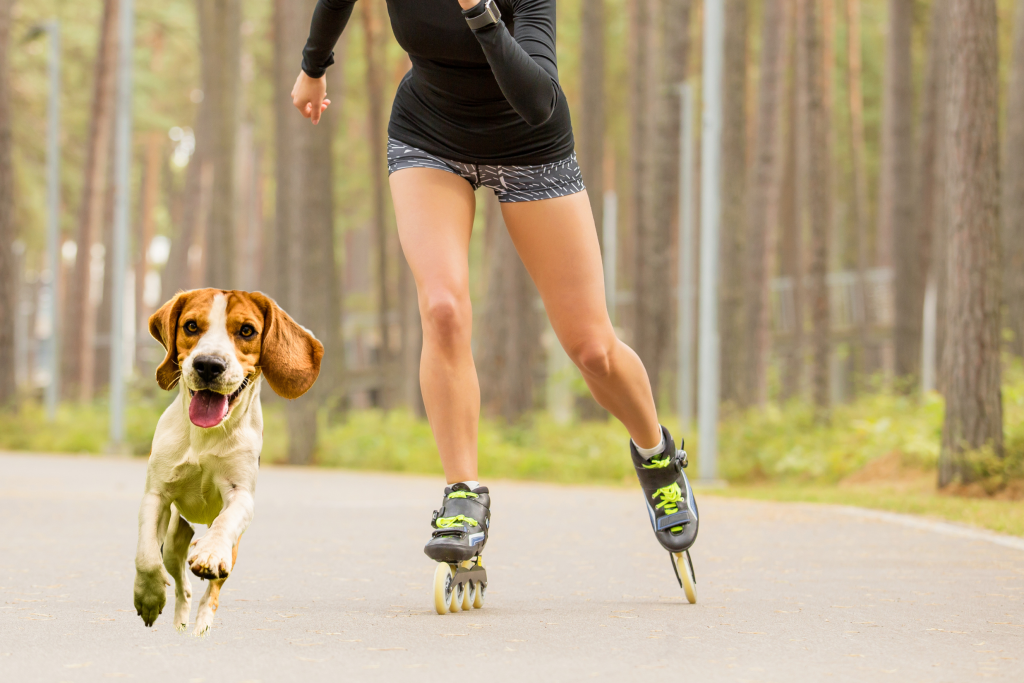
Hydration is another must.
Dogs can’t sweat like we do, so they rely on panting and hydration to regulate their body temperature.
Bring along water for longer sessions (or hotter days), and make regular pit stops to keep them hydrated.
Pay attention to the weather as well.
On hot days, aim for early morning or evening workouts to avoid extreme heat.
Your dog’s paws can get scorched on hot pavement, so test it with your hand—if it’s too hot for you, it’s too hot for them.
Similarly, in cold weather, ensure your pup is protected from icy surfaces and wind chills, especially if they’re a short-haired breed.
Fun Exercise Ideas to Do with Your Dog
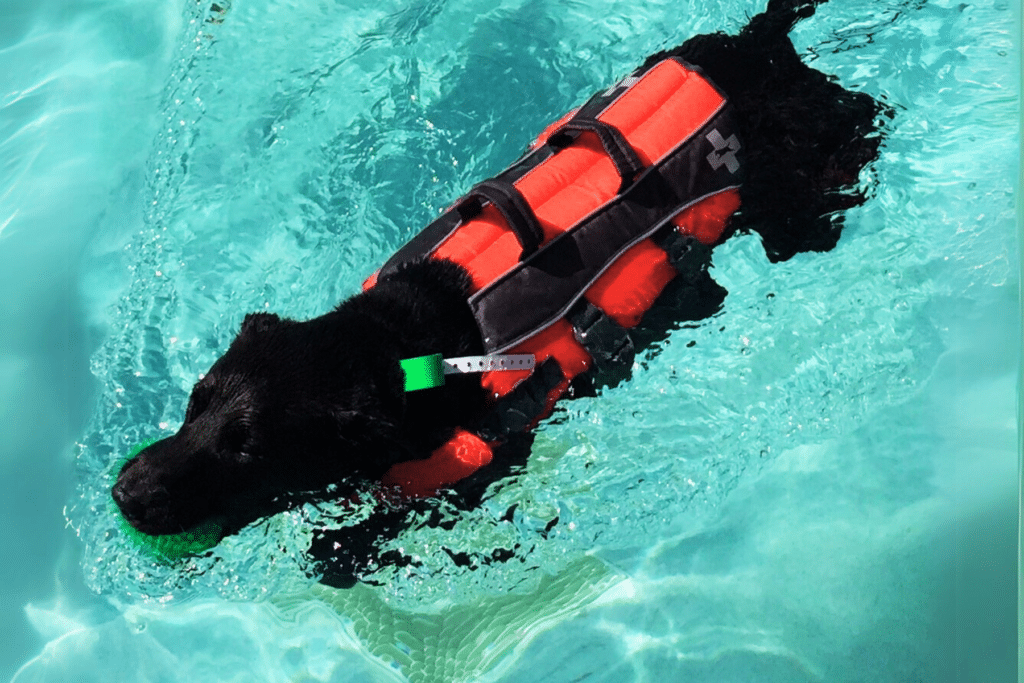
Exercising with your dog doesn’t have to feel like a chore.
In fact, it can be an incredible way to mix fun into your fitness routine while keeping your dog happy and healthy.
From a simple swim to structured agility courses, the options to turn your workout into quality time with your furry partner are almost endless.
Let’s look into some creative and enjoyable ideas you can try out today.
Jogging and Running Together

Running with your dog is a classic way to burn calories and share some upbeat energy.
But here’s the catch: you need to pace yourself—literally.
Your dog’s physical capabilities, breed, and fitness level play a huge role in determining what kind of run works best.
Start with a slower pace if your dog is new to running and gradually build up speed and distance over time (a little like training for a marathon, but with more tail wags).
Interactive Fetch-Based Workouts
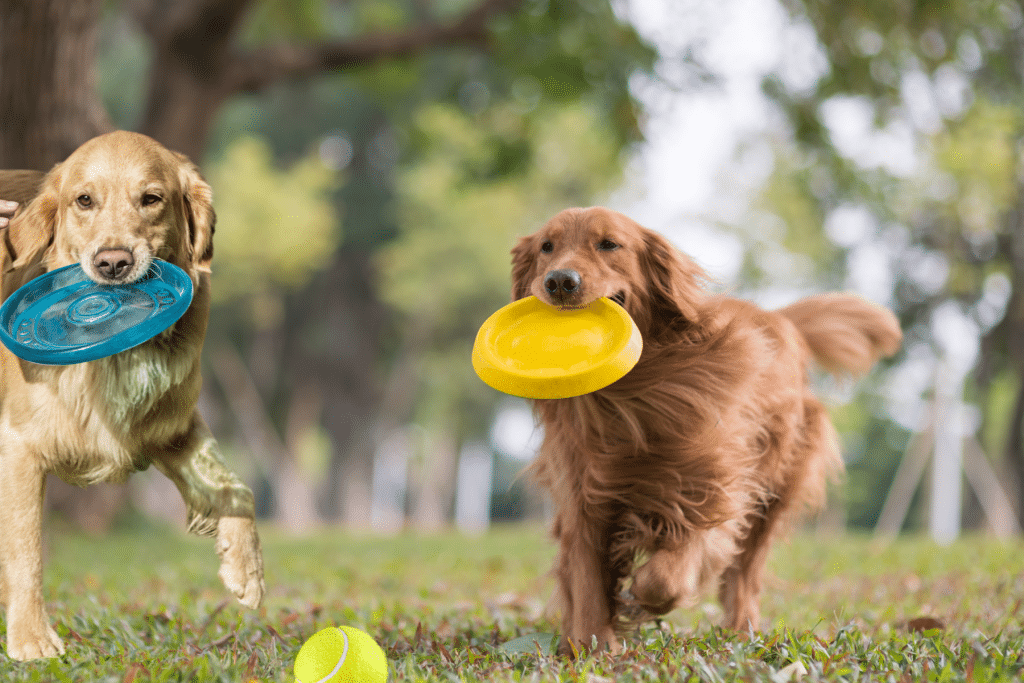
Fetch is more than just a casual game—it’s cardio with a healthy dose of excitement for both you and your dog.
Instead of sticking to the tried-and-true fetch routine, mix it up with frisbees, squeezy toys, or lightweight sticks for some variety.
Bonus points if you work in a little physical activity for yourself between tosses!
Try doing squats, lunges, or even push-ups while waiting for your dog to bring the item back.
Here are some ideas to elevate your fetch game:
- Frisbee challenge: Get your dog to chase a frisbee for a workout that ramps up their speed and agility.
- Distance fetch: Use a ball launcher to send the ball flying farther, giving your dog a bigger sprint (and giving your arm a break).
- Obstacle fetch: Toss the ball or toy over a low object like a fallen tree branch or bench to add an extra layer of excitement.
Fetch isn’t just great exercise for your dog—it also sharpens their reflexes and keeps them mentally engaged.
Just don’t forget to embrace those goofy moments when they decide to run off with the ball instead of retrieving it.
Sometimes it’s their game, and you’re just along for the ride.
Agility Training in the Park
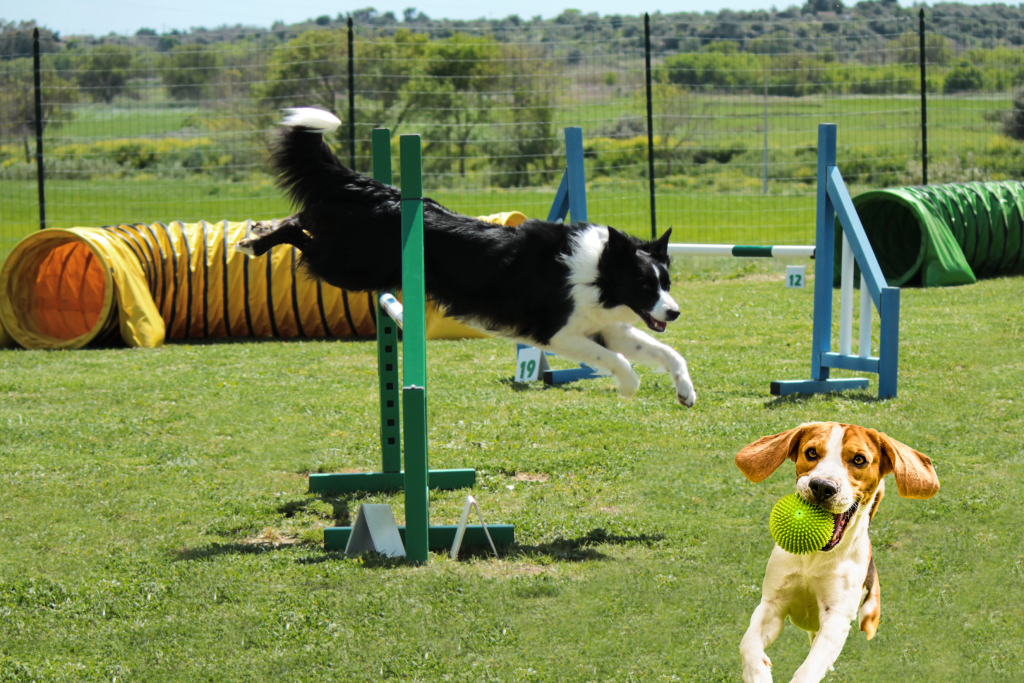
You don’t need a fancy setup to begin agility training with your dog.
With a little creativity, local parks, backyards, or even living rooms can transform into fun obstacle courses.
Focus on simple challenges your dog can easily understand and enjoy, like weaving through cones or jumping over sticks.
Here’s how you can get started:
- Set up obstacles: Use cones, broomsticks, or even pool noodles as makeshift hurdles or weaving poles.
- Add commands: Teach your dog verbal cues like “jump,” “go,” or “weave” so they can learn to complete tasks step by step.
- Keep it short: Sessions shouldn’t be marathon-length. Fifteen minutes of focused agility practice is usually enough to keep your dog stimulated without tiring them out too much.
And if your park already has a proper dog agility course built in? Even better!
It’s an excellent way to add variety to your exercise routine while boosting your dog’s confidence.
Plus, watching your pup master new skills is pure joy—it’s like having your own furry little gymnast.
Incorporating Strength Training with Your Dog
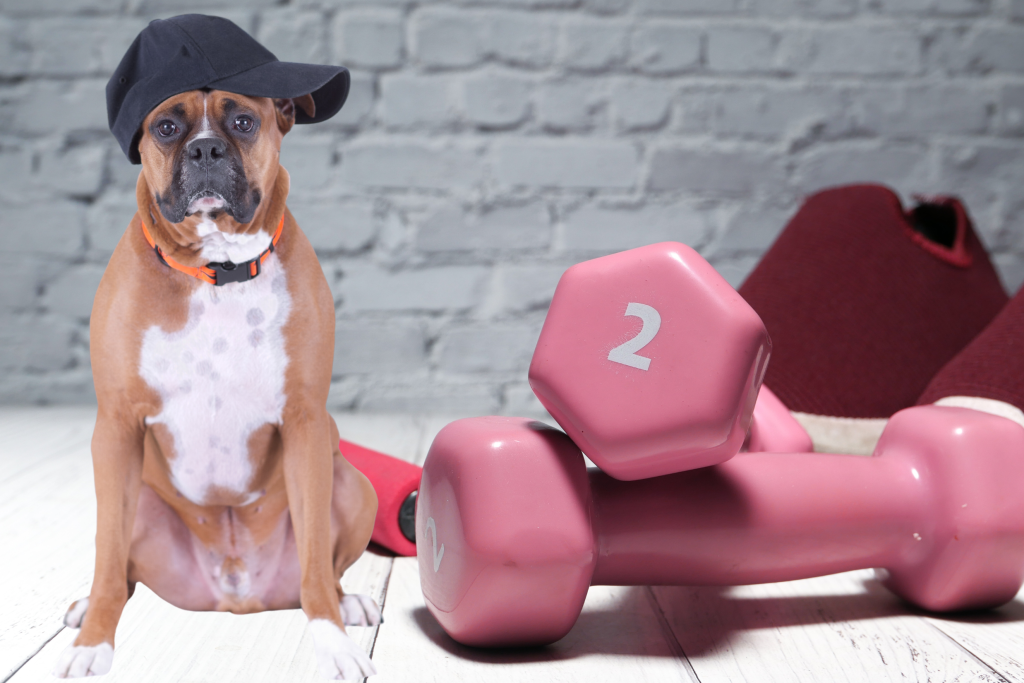
You might not think of strength training as dog-friendly – but, it can be!
Think about it: your dog is often right by your side during workouts anyway, so why not bring them into the mix?
It’s a playful way to squeeze in some resistance training without overthinking it.
Here are a few ideas to try:
- Squat-and-pup: Hold smaller dogs in your arms as you perform squats or lunges. Not only is their added weight a great challenge, but you get some bonding time too.
- Push-up kisses: Do push-ups while your dog lies in front of you, and drop down to give them a quick nose boop or “kiss” during each rep.
- Tug-of-war resistance: Play tug-of-war with a rope or toy, engaging your own arm and back muscles while your pup gets a fun workout.
Remember, the idea here isn’t to overdo it. Make sure to follow veterinarian’s (and your own medical provider’s) advice first.
Hiking Adventures

When you’re craving fresh air and scenic views, nothing beats a hike—and your dog probably agrees.
Hiking combines cardio and strength-building for you both, while also giving your dog endless new smells and sights to enjoy.
Nature trails are like theme parks for dogs: every bend in the path brings fresh excitement.
A few tips for a successful hike with your furry partner:
- Pick the right difficulty: Choose trails that match your dog’s capability. A rambunctious Labrador may love rocky terrain, but a senior dog might do better with smoother paths.
- Pack the essentials: Bring water for both you and your dog, waste bags, and maybe some snacks. Watch for signs of fatigue, especially on steeper or longer trails.
- Mind the wildlife: Keep your dog leashed in areas where encounters with other animals are possible.
Hiking offers not only physical exercise but also mental stimulation for your dog.
Plus, those post-hike naps your dog takes are satisfying proof of a day well spent.
You’re both getting stronger and more connected—trail by trail, paw by paw.
Indoor Exercise Options for Bad Weather Days

When the weather forces you and your dog indoors, it doesn’t mean exercise has to take a back seat.
Your home can become a playground of fitness and fun with a little imagination.
These indoor activities will keep your dog moving, mentally sharp, and entertained—all while giving you a chance to stay active too.
Let’s explore some creative options for your rainy-day workouts.
Hide-and-Seek

Hide-and-seek isn’t just a kids’ game; it’s a fantastic indoor activity that combines exercise and mental stimulation for your dog.
Plus, it’s incredibly entertaining for both of you.
Start by choosing a spot to hide—a bedroom, behind furniture, or even in a closet—and use a command like “stay.”
Once you’re out of sight, call their name and watch those ears perk up as they start the hunt.
This game taps into your dog’s natural instincts to track and problem-solve.
They’ll be sniffing, exploring, and using their brain to figure out where you are.
For added excitement, you can hide treats or their favorite toy for them to find instead.
Tug-of-War Games

Tug-of-war is perfect for burning off energy, especially when your pup seems extra restless.
Grab a sturdy tug toy—something safe and durable like a rope or braided fabric—and let the friendly competition begin.
Whether you’re going all-in with a tugging match or just letting them playfully “win,” this indoor game delivers big on fun and fitness.
Bonus points: it’s an arm workout for you, too.
Stair Workouts

If you have safe stairs in your home, they’re essentially a built-in cardio machine for you and your pup.
Running or walking up and down stairs together is a simple yet effective way to get both of your hearts pumping.
Stair exercise is golden for burning off calories and toning muscles—your dog’s hind legs and core will get stronger with every step.
Safety tip: Always consult a vet or doctor before exercising. Also, make sure the stairs are free of clutter to avoid slips, and keep an eye on your dog’s energy levels.
Safety Tips for Exercising With Your Dog

Exercising with your dog is about more than just health—it’s about creating meaningful, shared experiences.
But those exercise sessions come with responsibilities, too.
Ensuring your dog’s (and your own) safety while staying active means keeping an eye out for signs of discomfort, protecting their (and your) body from potential hazards, and making adjustments based on the weather.
By taking a proactive approach, you’ll help to ensure your workouts are fun, safe, and stress-free.
Recognizing Signs of Overexertion

Your dog might have boundless energy, but even they have limits.
Knowing how to spot the signs of overexertion could make all the difference in keeping your pup healthy and happy while you exercise together.
Some key signals your dog might be overdoing it include:
- Excessive panting: It’s normal for dogs to pant while active, but if your dog is breathing heavily for a long time or seems unable to catch their breath, it’s a red flag.
- Limping or stiffness: A sudden change in the way your dog moves—like favoring a paw or struggling to walk—could mean they’ve pushed their joints or muscles too far.
- Lying down or slowing down suddenly: If your usually active dog keeps pausing to rest or stops in their tracks, they’re trying to tell you they’ve hit their limit.
- Discolored gums or tongue: If you notice your dog’s gums turning pale, bluish, or deep red during exercise, it could indicate heat stress or oxygen trouble—time to stop – and possibly get help – ASAP.
If you see any of these signs, hit pause immediately. Remember, your dog counts on you to know when enough is enough – or seek medical attention.
Protecting Your Dog’s Paws

Your dog’s paws do the heavy lifting during your adventures together, but they’re also incredibly sensitive.
Just like you wouldn’t walk barefoot on scorching sidewalks or sharp rocks, your dog needs protection on certain surfaces.
- Hot pavement: Here’s a simple test—place your hand on the ground for five seconds. If it’s too hot for you, it’s too hot for your dog. During hotter months, stick to grass, dirt trails, or early morning/evening walks when the ground is cooler.
- Rough or rocky trails: Uneven surfaces may challenge your dog’s agility, but they can also cause cuts, scrapes, or bruises. Use dog booties for rugged hikes or apply paw balm to create a protective barrier.
- Winter hazards: Ice, snow, and salt used on roads or sidewalks can irritate your dog’s paw pads. Rinse their paws after outings to remove any salt or debris, and look for signs of cracking or dryness.
Make it a habit to check your dog’s paws before and after every exercise session.
If you notice redness, swelling, or lodged debris, gently clean the area and apply a pet-safe ointment if needed.
Keeping your dog’s paws in good shape prevents small injuries from turning into big problems.
Seasonal Considerations
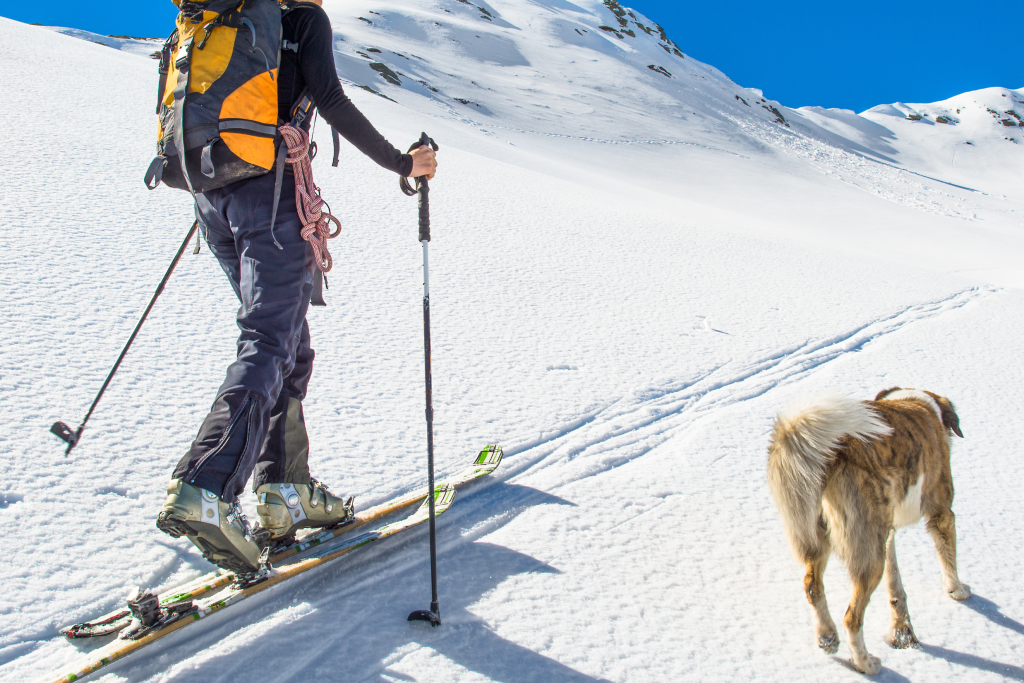
The weather plays a huge role in how—and when—you can safely exercise with your dog.
Whether it’s scorching sun or icy winds, tweaking your routine based on the season ensures your dog stays comfortable and safe.
- Warm weather: Dogs are prone to overheating because they cool down much differently than we do. Exercise during cooler parts of the day, like early morning or late evening, and always bring water for regular breaks.
- Cold weather: While some dogs thrive in the cold (hello, Huskies!), others may struggle with icy chills. Short-haired or smaller breeds might appreciate a doggy sweater or coat. Keep exercise sessions shorter on frigid days, and watch out for signs of frostbite, like discolored ears, tails, or toes.
- Rainy days: A little rain never hurt anyone, but slick surfaces can lead to slips and trips. Pay attention to your dog’s footing and dry them off thoroughly when you’re done to keep their coat and paws healthy.
When planning your workouts, think of your dog as your exercise partner who needs unique allowances.
Whether adjusting for the heat or gearing up for a snowy adventure, being mindful of the weather keeps exercise safe year-round.

Final Thoughts
Exercising with your dog is more than just a fitness routine—it’s a way to nurture your bond, improve your health, and bring more joy into your shared daily life.
Whether you’re running side by side, tackling an agility course, or enjoying a swim together, these activities create moments that your dog treasures just as much as you do.
Now it’s your turn to make this happen.
Take one of these ideas, grab your dog’s leash or favorite toy, and hit the ground running—literally or figuratively!
Watch how their excitement motivates you and how much fun you both have while staying active.
Every step, jump, or wagging tail is a reminder of the adventures you can create together.
The best workout buddy you’ll ever have is already waiting by the door, so why not start today?
Note: I am not a medical professional or veterinarian. Please consult your own doctor and veterinarian before trying any exercise routine or any tips from this or any post throughout this blog for you or your pet.
Looking for more fun ways to get fit with your dog? Grab this FREE Dog Walking Journal below and get started today!
Want more great basically dogs fun? Don’t miss a bark! Follow us on Flipboard, Pinterest, Facebook, or Instagram!
Your Turn
Do you enjoy exercise workouts with your dog? Which of these ideas are you trying with your favorite workout buddy? Let me know in the comments!
RELATED POSTS:


These are all great ideas for exercising with my dog – we have both put on a few winter pounds! Not sure if I can get the pooch to do yoga but it would be fun trying!
I think Yoga is the only activity I can do with my dog that won’t result in injury. For me. Haha. Great tips!!
I love these ideas. I particularly like the roller skating idea. Thanks for sharing!
I love these ideas. I just need to experiment with which one works well with my cane corso.
My dog loves to go swimming with me, and running with my husband! Keeps us all healthy 🙂 I haven’t heard of dog yoga before though; I’ll have to check it out! Thanks for taking the time to write this!
You have mentioned some great ways to enjoy a workout with a furry friend Such a great way to keep in-shape. I love the idea of dog yoga, very inspiring!
I loved all the pictures of dogs! I especially loved the suggestion of yoga with your dog. My cat loves doing yoga with me and will even do downward dog before doing a plopping down move 🙂
Your article on exercising with your dog is fantastic! The tips and advice you shared are incredibly helpful and easy to follow. I appreciate how you emphasized the importance of safety and provided a variety of workout ideas that both dogs and their owners can enjoy. Thank you for sharing your expertise and encouraging a healthy lifestyle for both pets and their owners.
It’s awesome to train with the dog but never done it. I’m looking to get my own dog soon and this would be perfect to do it.
Dogs are a great way to add more activity to your life. But here I was thinking that was just because you have to walk them – I had no idea there was so much else you could do with a dog!
I love the idea of yoga with the dogs but there’s nothing as good as good ol’ catch with a tennis ball. I really enjoyed this post. Thanks for sharing!
I live on the road full-time with our furbag Pawdrick. We find it necessary to make sure he gets plenty of exercise. Of course the more he gets, the more we get. You would never expect a tripod doggo can run that fast! Thanks for sharing your tips, I’m going to try a few of them today!
Hi Jarrod!
I love the name, Pawdrick! That’s such a fun name and sounds like he has a fun time living on the road full-time! I’m glad you found some exercise inspiration from the post!
Thanks for reading!
Great ideas! Your post was inspiring for my own workouts as well as for taking care of our golden doodle. Thanks for sharing!
Hi Colleen!
I’m excited you found some inspiration for workouts! I hope your golden doodle enjoys the workouts, too!
Thanks for reading!